Magnesium for Muscle Cramps: What You Should Know
Lunerva Nutrition Team
Wellness Expert • Mag-Trio Nutrition

Muscle cramps can happen unexpectedly, whether you are
exercising at the gym, sitting at a desk for several hours, walking with
family, or waking up during the night. These sudden, involuntary muscle
contractions can be uncomfortable and may temporarily interrupt your daily
routine. Because magnesium contributes to normal muscle and nerve function, magnesium
for muscle cramps is a topic many active adults and families are interested
in when looking for ways to support everyday muscle health.
What Causes Muscle Cramps?
A muscle cramp is a sudden, involuntary tightening of a
muscle that can last from a few seconds to several minutes. Cramps commonly
affect the calves, feet, thighs, and sometimes the hands or other muscle
groups. They can occur during exercise, after physical activity, at night, or
after remaining in one position for an extended period.
Magnesium is not the only factor associated with muscle
cramps. Exercise intensity, prolonged physical activity, dehydration, changes
in training, prolonged sitting or standing, and inadequate intake of certain
nutrients can all play a role. Some medications and health conditions may also
be associated with frequent cramping, which is why recurring or unexplained
cramps should not automatically be attributed to magnesium deficiency.
Why Is Magnesium Important for Muscle Function?
Magnesium is an essential mineral involved in hundreds of
processes in the body. It contributes to normal muscle function, normal nervous
system function, electrolyte balance, and energy metabolism. These roles make
adequate magnesium intake relevant to people who want to maintain healthy
muscles and support an active lifestyle.
However, having a nutritional role does not automatically
mean that taking additional magnesium will prevent every type of muscle cramp.
The potential value of magnesium for muscle cramps depends partly on an
individual's overall nutritional status and the reason behind the cramping. A
balanced approach is therefore more useful than relying on a single nutrient.
Can Magnesium Help With Muscle Cramps?
Magnesium supplementation is often discussed as a solution
for cramps, but research does not consistently show that magnesium supplements
prevent ordinary muscle cramps in otherwise healthy adults. The situation can
be different when inadequate magnesium intake contributes to a person's
nutritional needs. This distinction is important when creating responsible,
evidence-based nutrition content.
Rather than viewing magnesium as a guaranteed treatment,
consider it one part of a broader muscle-care strategy. Eating a varied diet,
staying hydrated, maintaining appropriate physical activity, warming up before
exercise, allowing adequate recovery, and getting enough sleep can all
contribute to healthier muscle habits. If you suspect that your diet is low in
magnesium, discussing your individual needs with a healthcare professional can
be helpful.
Magnesium-Rich Foods to Include in Your Diet
Food is a practical starting point for maintaining adequate
magnesium intake. Including a variety of whole and minimally processed foods
can help provide magnesium alongside other essential nutrients. Good dietary
sources include pumpkin seeds, almonds, cashews, peanuts, beans, lentils,
spinach and other leafy greens, whole grains, oats, avocado, and some dairy
products.
Try making small changes rather than completely redesigning
your meals. Add nuts or seeds to breakfast, choose oatmeal or whole grains more
often, include leafy greens with lunch or dinner, or add beans and lentils to
regular meals. These simple habits can support overall nutrition while
naturally contributing to your daily magnesium intake.
How Muscle Recovery Fits Into Cramp Prevention
Healthy muscle recovery involves more than magnesium. After
demanding physical activity, your body benefits from adequate food, fluids,
sleep, and recovery time. Increasing training volume or intensity too quickly
can place additional demands on your muscles, so gradual progression is
generally a better approach than trying to do too much at once.
A simple recovery routine can include a gradual cool-down,
appropriate hydration, a balanced meal containing protein and carbohydrates,
and adequate sleep. Gentle mobility or stretching may also be useful if it
feels comfortable for you. These habits provide a stronger foundation for
muscle recovery than relying on any individual supplement.
Can MAG-TRIO Be Part of a Muscle Wellness Routine?
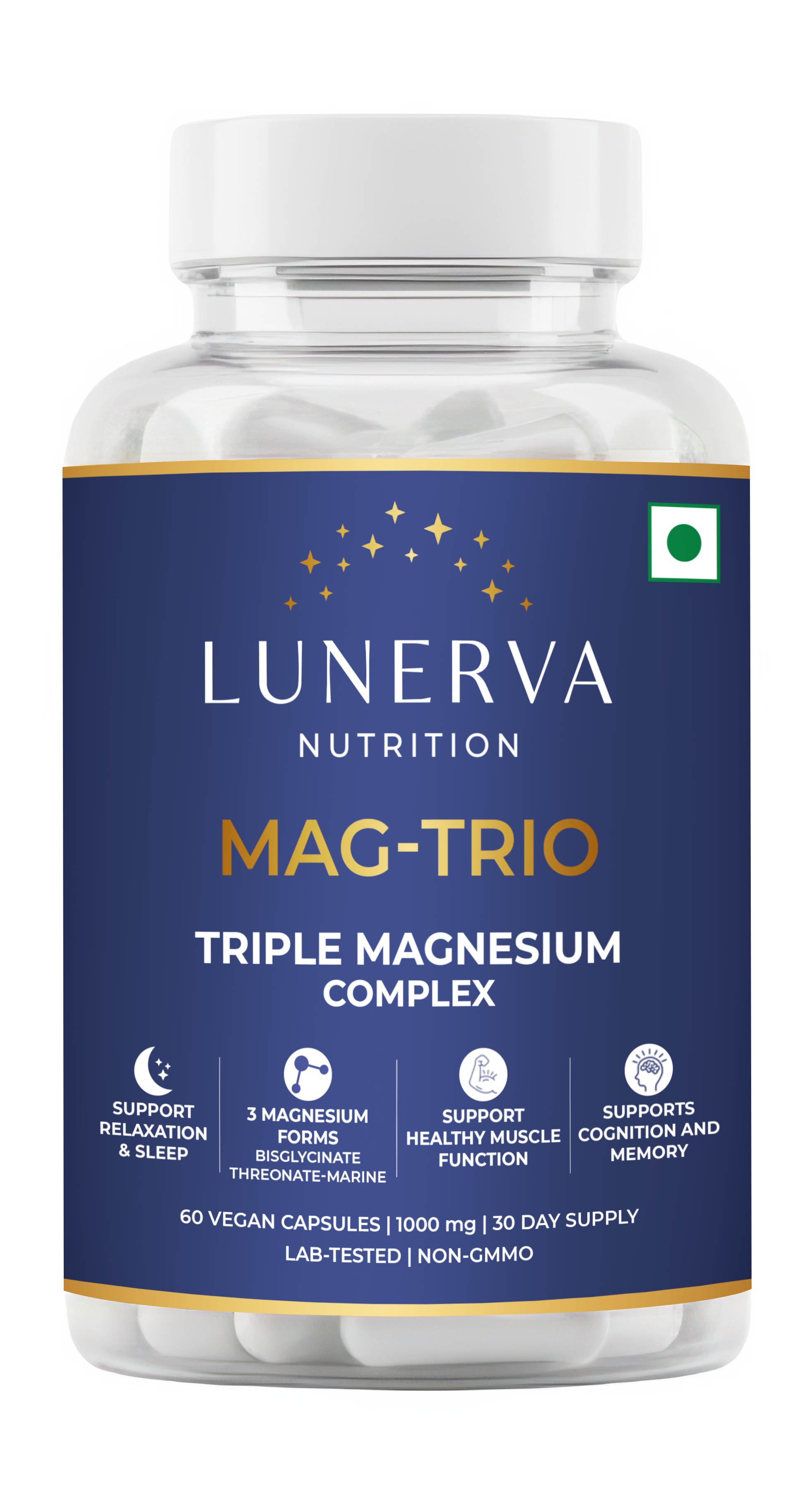
MAG-TRIO from Lunerva Nutrition is a triple magnesium
complex that combines three forms of magnesium in one supplement. For adults
who want a convenient way to include magnesium in their daily nutrition
routine, it can be considered alongside a balanced diet and healthy lifestyle
habits.
If you are considering MAG-TRIO specifically
because you experience frequent cramps, remember that supplementation is not a
guaranteed solution for every cause of cramping. Follow the product's label
directions and consider your total magnesium intake from food, supplements, and
other fortified products. If you have concerns about persistent cramps or your
magnesium intake, seek individualized professional guidance.
What About MAG-SOLO?
MAG-SOLO from Lunerva Nutrition provides magnesium
bisglycinate in a straightforward supplement format. It may suit adults who
prefer a simple magnesium option as part of their regular nutritional routine.
Magnesium bisglycinate is one of several magnesium forms available in dietary
supplements, and individual preferences and nutritional needs can vary.
For someone interested in supporting overall magnesium
intake, MAG-SOLO can complement a nutrient-rich diet rather than replace
it. Take it according to the product label and consider when it fits most
naturally into your routine. The most sustainable supplement habit is usually
one that is simple, consistent, and compatible with your everyday schedule.
When Should You Speak With a Healthcare Professional?
Occasional cramps can happen to many people, but frequent,
severe, unexplained, or increasingly disruptive cramps deserve attention.
Consider seeking professional advice if cramps regularly interfere with sleep,
exercise, work, or everyday activities, particularly if they occur alongside
weakness, swelling, numbness, unusual pain, or other concerning symptoms.
It is also sensible to consult a healthcare professional
before starting a new supplement if you have an existing health condition, take
medications, are pregnant or breastfeeding, or have questions about your
individual magnesium requirements. Personalized guidance can help ensure that
supplementation fits appropriately into your overall nutrition plan.
Building a Complete Muscle-Care Routine
Understanding magnesium for muscle cramps starts with
recognizing that cramps can have many possible causes. Magnesium contributes to
normal muscle and nervous system function, but supplementation should not be
presented as a universal answer to cramping. A complete approach includes
nutritious food, hydration, sensible exercise progression, adequate sleep, and
appropriate muscle recovery.
For adults who want to include magnesium in their everyday
wellness routine, Lunerva
Nutrition offers MAG-TRIO and MAG-SOLO as convenient options. Whether
you are an active professional, a busy parent, or simply focused on maintaining
healthy habits as you get older, building consistent nutrition and recovery
practices can provide a practical foundation for long-term wellness.
Ready to Transform Your Wellness?
Experience the power of our doctor-formulated Triple Magnesium. Better sleep, reduced stress, and faster recovery—all in one premium supplement.