Does Stress Increase Your Need for Magnesium
Lunerva Nutrition Team
Wellness Expert • Mag-Trio Nutrition
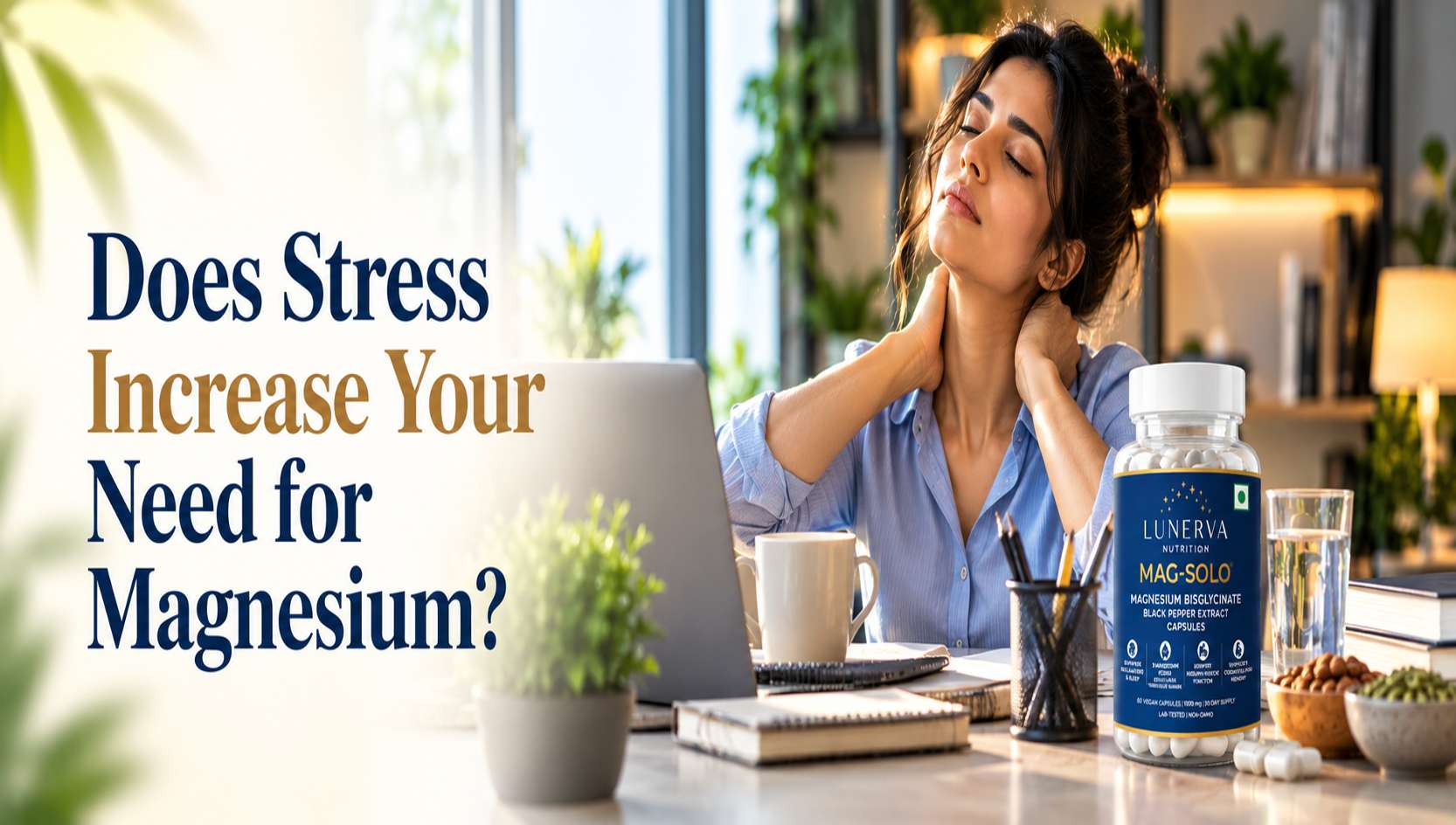
Stress is of course a normal part of modern life but constant work pressure, family commitments, poor sleep and a generally hectic lifestyle can make it very difficult to eat well. Magnesium is involved in normal nervous system function, normal energy metabolism and normal muscle function.
How are stress and magnesium linked?
When you're under stress your body goes through a whole series of nervous and hormonal processes which use up energy and nutrients. Magnesium is involved in hundreds of biochemical reactions including those relating to normal energy production and normal nervous system function. That doesn't necessarily mean that every individual under stress will require additional magnesium.
Research suggests that stress and magnesium status are in some way linked, though the exact nature of that link is unclear. Diet quality, sleep, exercise, alcohol consumption and general health are all factors which can affect both magnesium intake and status. In that context, looking at magnesium intake through the lens of a healthy balanced diet is probably the most sensible first step.
Can stress affect magnesium levels?
The stress/magnesium link is still very much an area of research and it would be wrong to reduce it to the idea that stress invariably leads to magnesium deficiency. That said, it is certainly possible for a period of chronic stress to occur in conjunction with a number of lifestyle factors which would make it more difficult to meet your nutritional requirements.
For instance a person working long hours may be skipping the balanced meals, going in for the processed food, sleeping poorly and/or drinking more coffee and/or alcohol. All of these things could potentially have a negative impact on the quality of their diet. Rather than just assume that stress is the direct cause of a magnesium deficiency it's probably more sensible to look at the full lifestyle picture.
Why Magnesium Matters During Stressful Periods
Magnesium is involved in normal nervous system function and energy metabolism so it's a nutrient that is particularly important during periods of high demand in life. Getting sufficient magnesium as part of a balanced diet will help to meet your normal nutritional requirements as you go about your day. The potential benefit of magnesium for stress should therefore be considered as part of a wider approach to wellbeing rather than as a magic bullet. A healthy diet, regular movement, sufficient sleep, hydration and sensible stress management are all key components of a good level of wellbeing.
Magnesium for stress: what does the evidence mean?
Searches for magnesium as a stress remedy invariably come up with some pretty strong claims about relaxation and stress relief. It's vital to separate those claims from what nutrition science actually supports. Magnesium is an essential nutrient for normal body function, but taking a supplement doesn't mean that stress will go away and certainly doesn't mean that every single person will experience the same outcome.
If your diet isn't consistently providing sufficient magnesium then improving your intake may well be a sensible nutritional move. Magnesium can be obtained from a variety of foods including pumpkin seeds, almonds, spinach, beans, whole grains and other magnesium rich foods.
Magnesium Bisglycinate and Stress Support
Magnesium bisglycinate is magnesium bound to glycine. It's a form of magnesium you'll find in a lot of supplements and is one of the more straightforward magnesium options that people take as part of their daily wellness regime.
When you're looking at magnesium bisglycinate make sure you read the Supplement Facts. Look at the amount of elemental magnesium rather than just the total amount of magnesium compound. The serving size and the recommended daily use should also be taken into account.
Magnesium Benefits for Women During Busy Periods
Women may have periods of increased lifestyle demands as a result of their careers, parenting, family commitments, exercise, travel and all the various changes that occur. The benefits of magnesium for women are best understood in terms of the nutrient's well established roles in normal muscle function, normal nervous system function, energy metabolism and electrolyte balance.
Rather than seeing magnesium as a panacea for all stress related issues, the question to ask is whether your overall diet is one that regularly includes magnesium rich foods. In times of particular stress it can be a sensible approach to simply keep on eating and to talk to a GP or other appropriate healthcare professional about the need for supplementation.
Does every person under stress need more magnesium?
No. Feeling stressed doesn't necessarily mean you need more magnesium. Individual requirements will vary from person to person depending on age, diet, lifestyle, health and so on.
A betteA better approach is to go back and look at your diet. If you're regularly eating leafy greens, nuts and seeds, legumes, whole grains and the various other magnesium containing foods then you may well be getting a significant amount of magnesium from food alone. Supplements should be there to supplement a good diet rather than to replace it.
TRIO vs. MAG-SOLO for Your Routine
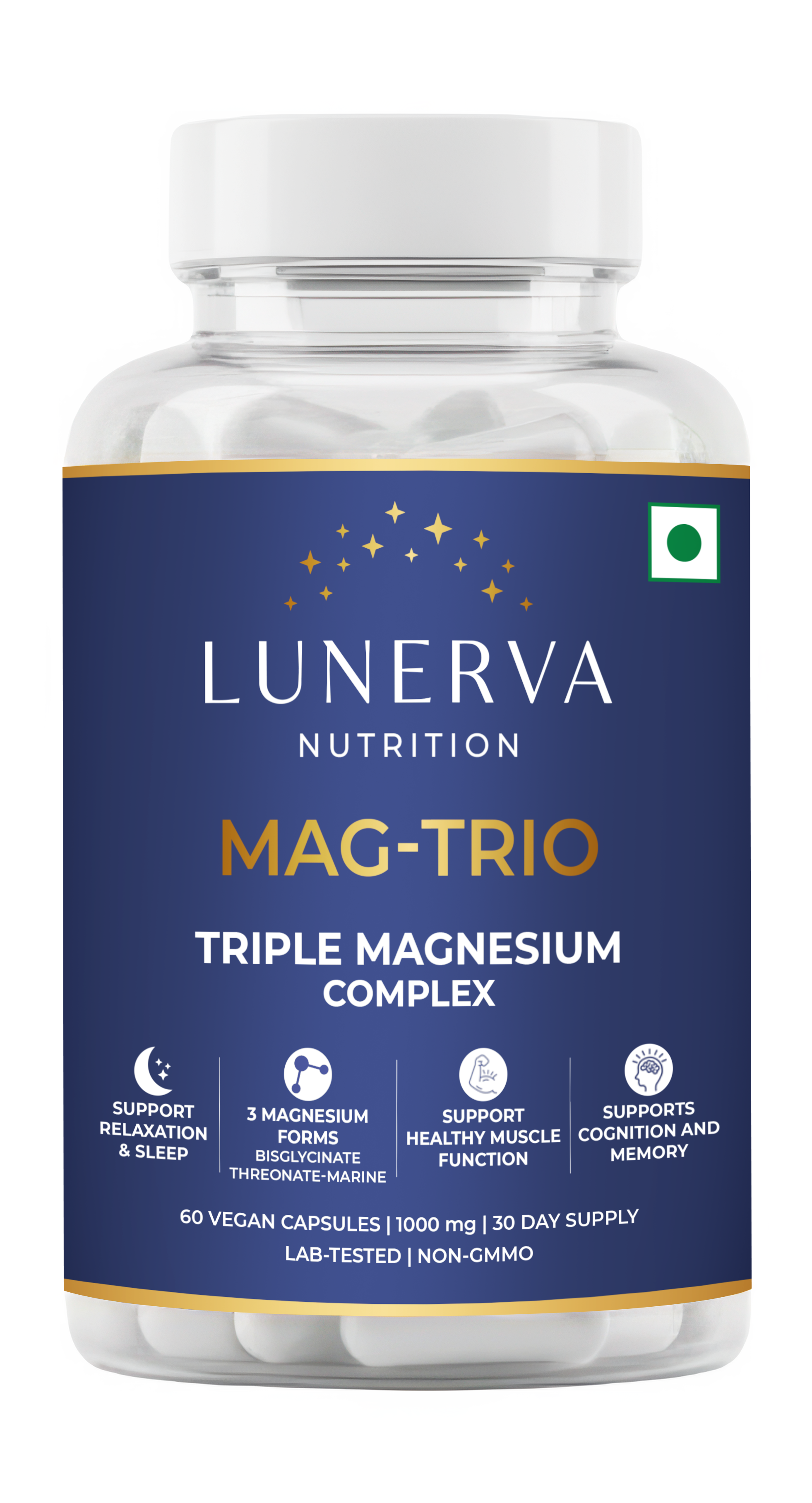
Lunerva Nutrition offer a range of magnesium formats for different preferences. MAG-SOLO is all about magnesium bisglycinate, MAG-TRIO is a combination of three different magnesium forms. Neither of these is necessarily the better option in any sense; the right one for you is going to be the one that best fits your own nutritional aims, your own preferences and your own product label considerations.Someone specifically researching magnesium bisglycinate, MAG-SOLO may provide a simple single-form option. Someone interested in a Triple Magnesium Supplement may prefer MAG-TRIO. The key is to understand the formulation and use it as part of a balanced wellness routine.
When should you consider getting professional advice?
If you're worried about magnesium deficiency (or the resultant fatigue, muscle problems, sleep problems etc) then don't just go on the internet and self-diagnose. A doctor can take your diet, your meds, your medical history and all that into account when they consider whether or not you need a magnesium supplement.
People taking medications or managing an existing health condition should also discuss supplements with a qualified healthcare professional before adding them to their routine. More magnesium is not necessarily better, and supplementation should always follow appropriate product directions.
Ready to Transform Your Wellness?
Experience the power of our doctor-formulated Triple Magnesium. Better sleep, reduced stress, and faster recovery—all in one premium supplement.