Does Magnesium Help Reduce Anxiety?
Lunerva Nutrition Team
Wellness Expert • Mag-Trio Nutrition

Feeling overwhelmed by constant stress or anxious thoughts
has become increasingly common in today's fast-paced world. While healthy
lifestyle habits such as regular exercise, quality sleep, and mindfulness play
an important role in emotional well-being, many people are also exploring
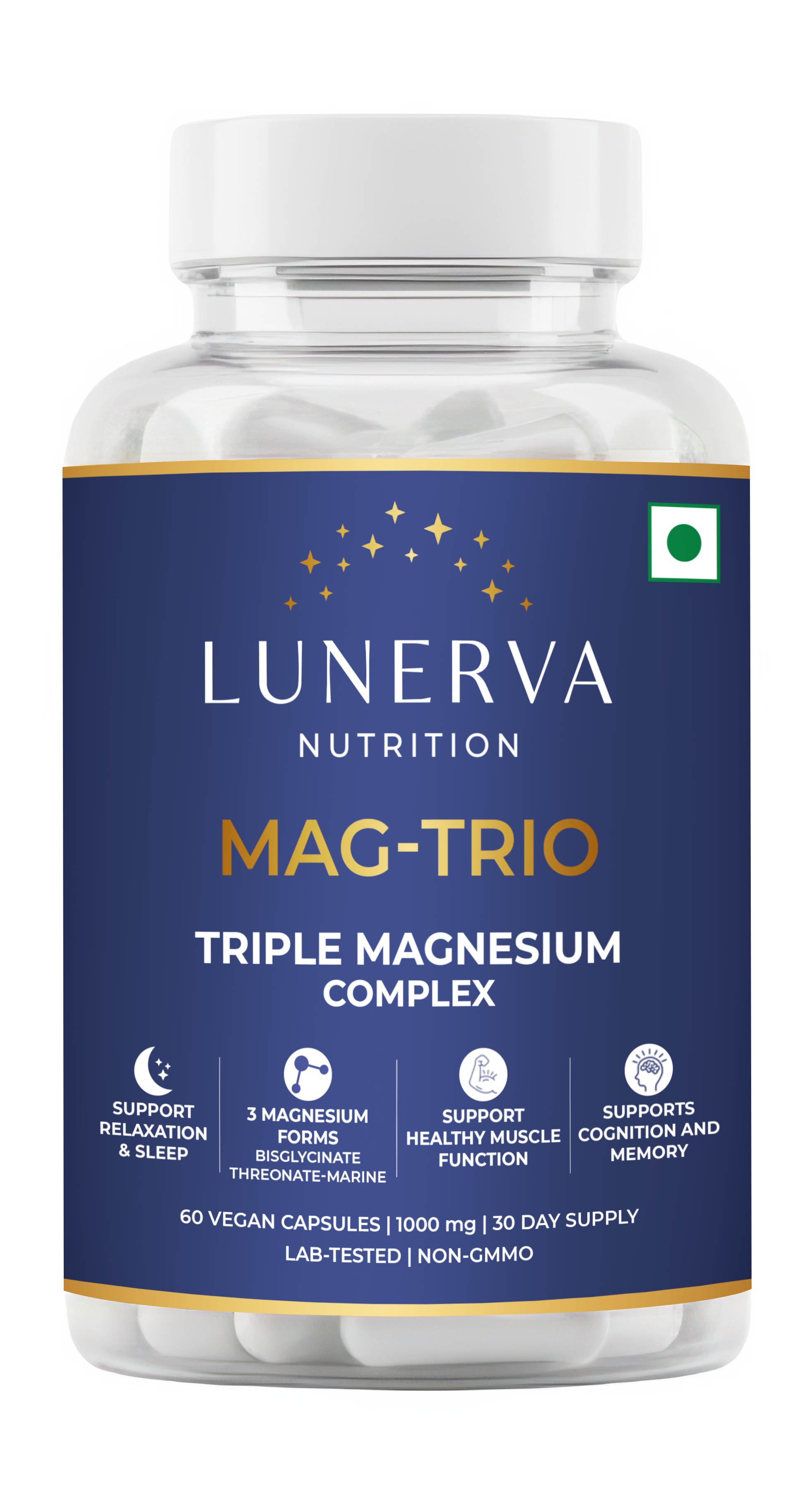
nutritional support. One nutrient that has gained significant attention is Lunerva Nutrition and the
role of magnesium for anxiety. But does it actually work?
In this guide, we'll explore the science behind magnesium,
how it may support mental wellness, who may benefit from supplementation, and
practical ways to include it in your daily routine.
What Is Magnesium and Why Is It Important?
Magnesium is an essential mineral involved in more than 300
biochemical processes throughout the body. It helps regulate muscle function,
nerve signaling, energy production, heart health, and bone strength. More
importantly, it plays a key role in maintaining a healthy nervous system.
Low magnesium levels have been associated with increased
nervousness, muscle tension, poor sleep, and mood changes. Although magnesium
is not a cure for anxiety disorders, maintaining adequate levels may help
support the body's natural response to stress.
How Does Magnesium Affect Anxiety?
Magnesium Supports the Nervous System
One of the primary reasons researchers are interested in magnesium for anxiety is
its influence on neurotransmitters. Magnesium helps regulate gamma-aminobutyric
acid (GABA), a neurotransmitter that promotes relaxation and calms nerve
activity. When magnesium levels are low, the nervous system may become more
excitable, potentially increasing feelings of stress and anxiety.
It Helps Regulate the Stress Response
Magnesium also plays a role in regulating cortisol, commonly
known as the stress hormone. Healthy magnesium levels may help the body respond
more effectively during periods of physical or emotional stress.
Signs You May Have Low Magnesium Levels
Many people do not consume enough magnesium through their
diets. Some common symptoms of deficiency include:
- Frequent
muscle cramps
- Fatigue
- Trouble
sleeping
- Increased
irritability
- Headaches
- Muscle
twitching
- Difficulty
relaxing
If you experience these symptoms consistently, speaking with
a healthcare professional can help determine whether magnesium intake should be
evaluated.
When Should You Consider Magnesium Supplements?
Diet alone may not always provide enough magnesium,
especially for individuals with certain dietary restrictions or increased
nutritional needs.
- Daily
stress management
- Better
sleep
- Muscle
recovery
- Nervous
system health
- Overall
wellness
Who Should Speak With a Healthcare Professional First?
Although magnesium is generally considered safe when used
appropriately, supplementation may not be suitable for everyone.
- Have
kidney disease
- Take
prescription medications
- Are
pregnant or breastfeeding
- Have
chronic medical conditions
- Are
unsure about the appropriate dosage
Ready to Transform Your Wellness?
Experience the power of our doctor-formulated Triple Magnesium. Better sleep, reduced stress, and faster recovery—all in one premium supplement.