Magnesium After Exercise: Does It Support Muscle Recovery?
Lunerva Nutrition Team
Wellness Expert • Mag-Trio Nutrition
A good workout does not end when you leave the gym. What you
do afterward, including eating well, drinking enough fluids, resting, and
allowing your muscles to recover can be just as important as the exercise
itself. Magnesium is one mineral that deserves attention because it contributes
to normal muscle function, electrolyte balance, and energy-yielding metabolism.
For people exploring magnesium
for muscle recovery, understanding its nutritional role can help create
a more balanced post-workout routine.
Why Is Magnesium Important After Exercise?
Physical activity places normal demands on your muscles and
energy systems. During exercise, your muscles repeatedly contract and relax,
while your body uses energy and regulates fluids and electrolytes. Magnesium
contributes to normal muscle function and normal energy metabolism, making
adequate magnesium intake relevant to an active lifestyle.
However, magnesium should not be viewed as an instant
recovery solution or a replacement for proper nutrition and rest. Muscle
recovery depends on several factors, including the type and intensity of
exercise, protein and carbohydrate intake, hydration, sleep, training
frequency, and overall fitness. Adequate magnesium is one part of that bigger
picture.
How Magnesium Supports Normal Muscle Function
Your muscles require a range of nutrients to function
normally. Magnesium contributes to normal muscle function and helps maintain
normal electrolyte balance. This makes sufficient magnesium intake important
for people who regularly participate in strength training, running, cycling,
sports, walking, or other forms of physical activity.
For a young professional fitting workouts around a demanding
job, a parent exercising between family responsibilities, or an adult over 40
maintaining an active lifestyle, nutrition can sometimes be overlooked.
Building meals around nutrient-rich foods and paying attention to adequate
magnesium intake can help support the nutritional foundations of an active
lifestyle.
Does Taking Magnesium Immediately After Exercise Matter?
There is no universal requirement to take magnesium
immediately after a workout. While some people choose to include magnesium in
their post-exercise routine, the most important consideration is getting an
appropriate amount of magnesium consistently through food and, when suitable,
supplementation.
Instead of worrying about a narrow post-workout window,
focus on your complete recovery routine. After exercising, drink fluids, eat a
balanced meal or snack, and give your body enough time to rest. If magnesium
supplementation is appropriate for you, take it according to the product's
recommended directions and choose a time that fits your daily routine.
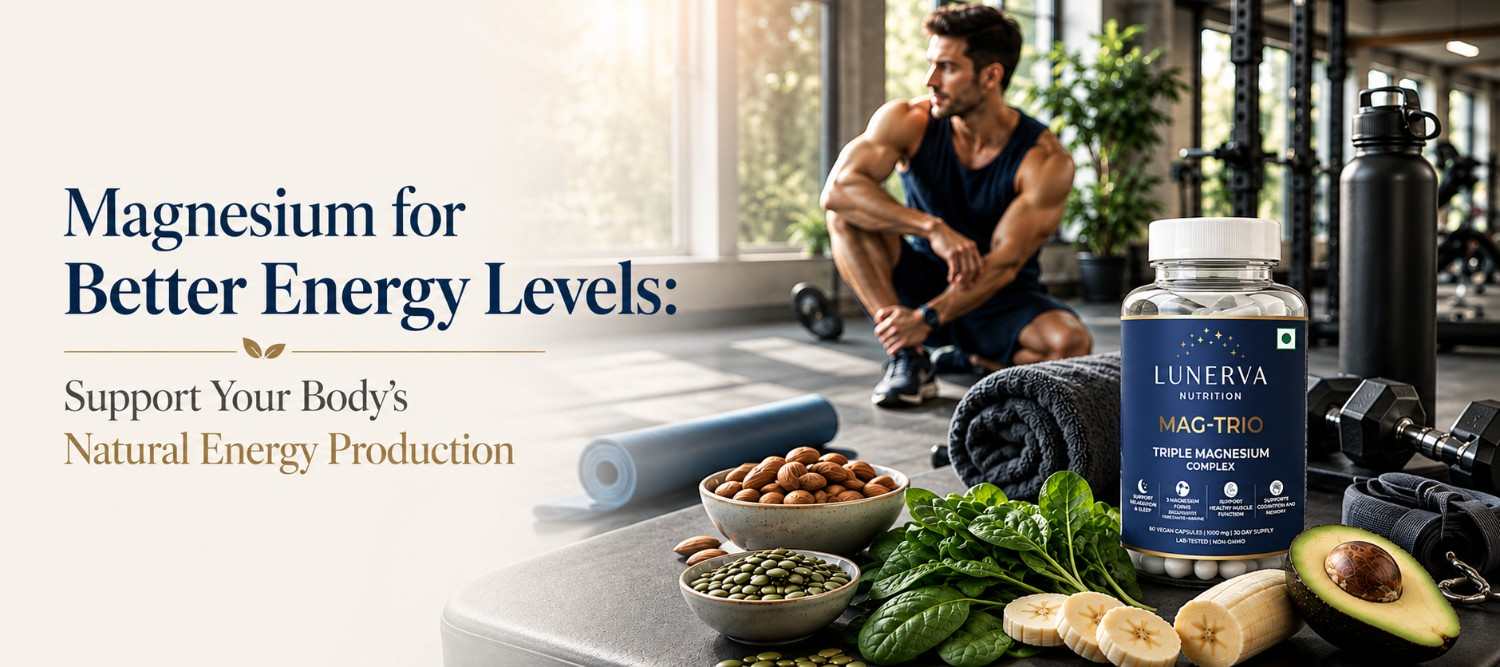
Magnesium-Rich Foods for Active People
Food remains an excellent foundation for meeting your
nutritional needs. Magnesium is found in a variety of foods that can also
provide protein, carbohydrates, healthy fats, fiber, vitamins, and other
minerals.
- Pumpkin
seeds and other seeds
- Almonds
and cashews
- Spinach
and other leafy green vegetables
- Black
beans and other legumes
- Whole
grains such as oats and brown rice
- Avocado
- Certain
dairy products
- Dark
chocolate in moderation
Magnesium and Hydration After Exercise
Hydration is another important part of post-workout
recovery. Exercise can increase fluid requirements, particularly during
prolonged or intense activity or when exercising in hot environments. Magnesium
contributes to normal electrolyte balance, but taking a magnesium supplement
should not be considered a substitute for replacing fluids appropriately.
After exercise, pay attention to your thirst and the
conditions in which you trained. Drink fluids regularly and consume a balanced
diet. For longer or more demanding activities, your hydration and electrolyte
strategy may need to be more deliberate, particularly in hot weather.
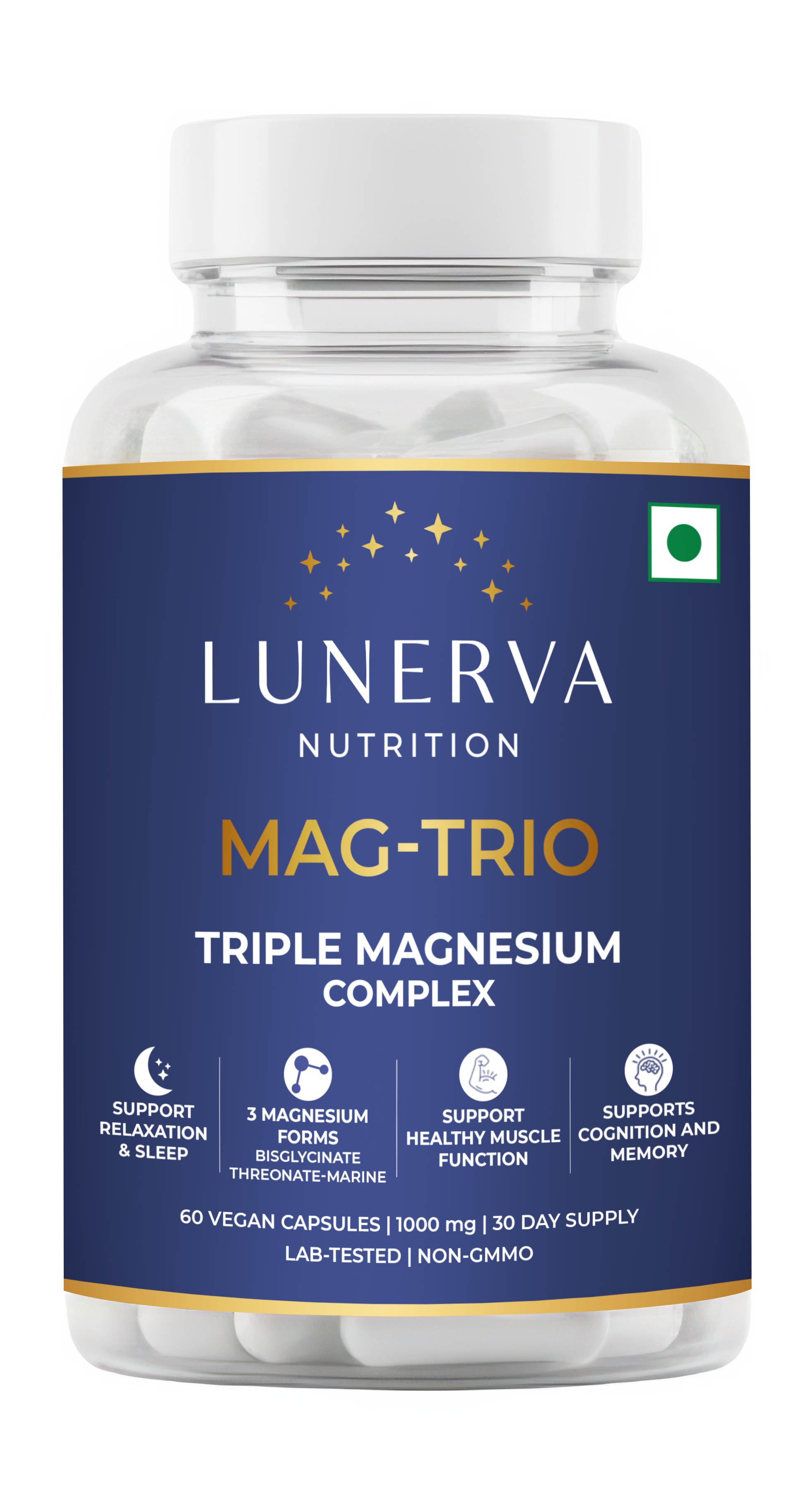
Can MAG-TRIO Fit Into a Muscle Recovery Routine?
MAG-TRIO
from Lunerva Nutrition combines three forms of magnesium in one
thoughtfully formulated supplement. For active adults who want a convenient way
to incorporate magnesium into their nutritional routine, MAG-TRIO can be used
according to the product's recommended serving instructions.
A post-workout routine does not necessarily mean taking
every supplement immediately after exercise. You can choose a consistent time
that fits your lifestyle and product directions. For some people, this may be
after an evening workout or alongside a regular meal. For others, a different
time of day may be more practical.
The broader goal is to maintain a consistent nutritional
routine rather than focus on a single supplement timing window.
What About MAG-SOLO?
For people who prefer a straightforward magnesium
formulation, MAG-SOLO
from Lunerva Nutrition provides magnesium bisglycinate. It can be incorporated
into a daily wellness routine according to the recommended directions on the
product label. Whether you choose MAG-TRIO or MAG-SOLO, supplementation should
complement a varied diet rather than replace nutrient-rich foods. Your choice
may depend on your personal preferences, nutritional goals, and the formulation
you prefer.
If you take medications, have a health condition, are
pregnant or breastfeeding, or are unsure whether magnesium supplementation is
appropriate for you, consult a qualified healthcare professional before
starting a supplement.
Does Magnesium Prevent Muscle Soreness?
It is important to separate established nutritional roles
from exaggerated supplement claims. Magnesium contributes to normal muscle
function, but that does not mean taking a magnesium supplement will
automatically prevent delayed-onset muscle soreness or eliminate discomfort
after challenging exercise. Post-workout soreness can occur for several
reasons, especially when you perform unfamiliar activities or increase training
intensity. Adequate nutrition, gradual training progression, hydration, sleep, and
appropriate recovery strategies are more useful foundations than relying on one
nutrient alone.
If muscle pain is severe, persistent, unusual, or
accompanied by other concerning symptoms, seek appropriate medical advice
rather than assuming that magnesium is the solution.
Magnesium for Muscle Recovery as Part of a Bigger
Wellness Plan
The most effective recovery routine is rarely based on one
supplement. It combines nutritious food, adequate fluids, appropriate training,
quality sleep, rest days, and sensible progression. Magnesium can contribute to
normal muscle function and energy metabolism, making adequate intake relevant
to people who want to maintain an active lifestyle. For young professionals,
parents, married couples, friends who exercise together, and adults over 40,
keeping recovery simple can make healthy habits easier to maintain. Instead of
chasing complicated post-workout protocols, focus on the fundamentals and make
improvements gradually.
Lunerva
Nutrition offers MAG-TRIO and MAG-SOLO as magnesium supplement options
that can complement a balanced nutritional routine. If you are considering
magnesium for muscle recovery, remember that the goal is not to find a quick
fix after every workout. The better approach is to consistently support your
body's nutritional needs through a balanced diet, appropriate supplementation
when needed, hydration, movement, and sufficient recovery time.
Ready to Transform Your Wellness?
Experience the power of our doctor-formulated Triple Magnesium. Better sleep, reduced stress, and faster recovery—all in one premium supplement.